
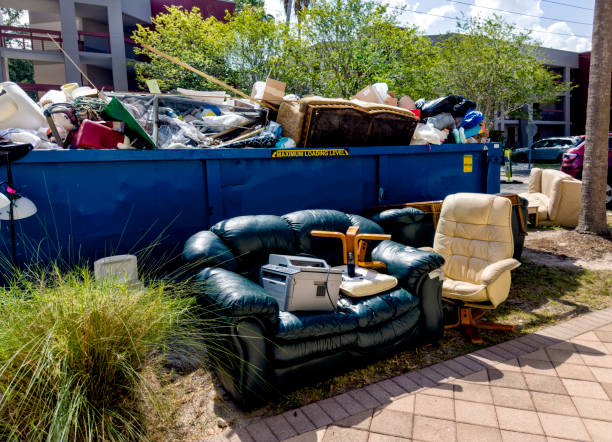
Load consolidation techniques help lower transportation costs. They do this by combining many customer pickups into single truck routes. This approach makes better use of vehicle space and reduces empty trips back from disposal facilities. Planning routes carefully and coordinating schedules allows providers to visit several properties in one trip. It avoids the need for separate trips for each customer. This method improves efficiency and saves both time and fuel. junk hauling in Dallas Texas implement consolidation strategies that spread fixed transportation costs across multiple revenue-generating stops.
Route optimisation strategies
Efficient routing software analyses customer locations, material volumes, and time windows to create optimised travel paths serving multiple properties sequentially without backtracking or inefficient zigzag patterns. Geographic clustering identifies customers within defined service zones where pickup locations fall along logical travel corridors connecting neighbourhoods to disposal facilities. Sequential stop ordering arranges pickups from the farthest customer working back toward disposal sites, preventing situations where trucks bypass loaded customers while travelling to distant pickups, then retracing routes.
Real-time traffic data integration adjusts planned routes dynamically when accidents or congestion make planned paths inefficient, rerouting trucks through faster alternative corridors. These optimisation techniques cut fuel consumption by 20-30% compared to random routing, where trucks visit scattered locations without coordinated sequencing, translating directly into lower operating costs that competitive pricing passes to customers.
Multi-customer scheduling
Coordinating appointment windows across several customers enables providers to plan consolidated routes where single trucks handle three to five pickups during individual shifts instead of dedicating entire trips to lone customers. Flexible scheduling requests customers accept approximate arrival times within 2-3 hour windows rather than demanding precise appointments, giving dispatchers latitude to sequence stops efficiently. Same-day consolidation opportunities emerge when multiple customers in proximate areas request service for identical dates, allowing last-minute route adjustments and grouping nearby pickups. Provider incentives sometimes include minor discounts for customers accepting flexible scheduling since consolidated routes generate cost savings justifying reduced per-customer charges.
Capacity maximisation methods
Skilled loading crews arrange materials efficiently within truck beds, combining items from multiple customers into single loads that maximise volumetric capacity before returning to disposal facilities. Material compatibility assessments verify that customer loads can physically combine without damage, separating incompatible items like sharp metals that could puncture furniture or leak-prone appliances that might stain clothing. Capacity tracking systems monitor cumulative load volume as trucks visit sequential customers, preventing overloading situations where final pickups exceed remaining truck capacity, forcing material refusal or unplanned return trips.
Shared disposal trips
Combining materials from several customers into full truckloads before visiting disposal facilities dramatically reduces per-customer transportation costs compared to partial-load trips serving individual properties. Disposal facilities charge minimum fees regardless of load size, making small deliveries economically inefficient since fixed gate fees and tipping minimums apply even to quarter-full trucks. Full-capacity deliveries spread these fixed costs across multiple customers rather than burdening single property owners with the entire minimum charges.
Load consolidation lowers transportation expenses through optimised routing, coordinated scheduling, capacity maximisation, shared disposal trips, and geographic clustering. These techniques spread fixed costs across multiple customers while reducing fuel consumption and vehicle wear. Providers implementing consolidation strategies pass savings to customers through competitive pricing reflecting improved operational efficiency compared to dedicated single-customer trips.