
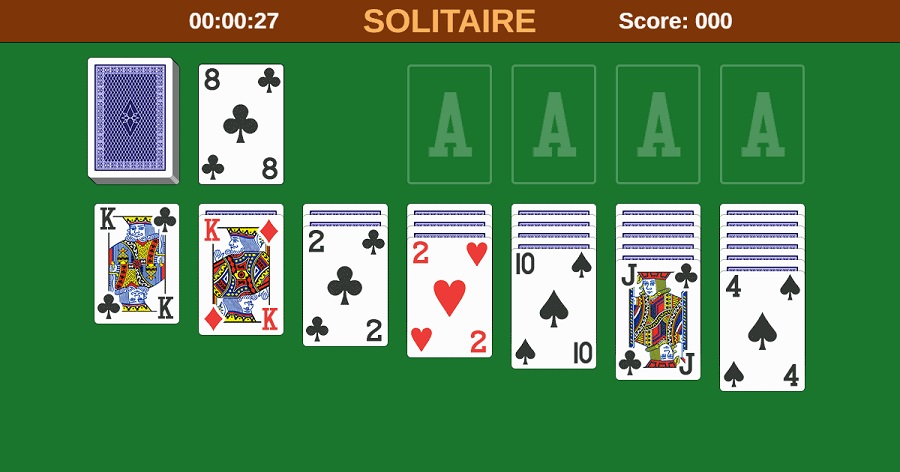
In a digital world that thrives on speed and competition, it’s refreshing to find something that allows both focus and relaxation at once. Solitaire games have quietly maintained that perfect balance for generations. What began as a simple card game centuries ago has transformed into a timeless mental exercise that millions still turn to every day. Solitaire games embody a rare combination they challenge the mind while soothing it, offering structure without stress and strategy without chaos.
While trends in gaming come and go, solitaire games remain a steady companion for people seeking thoughtful entertainment. They engage logic, patience, and decision-making without overwhelming the player. Whether played with a real deck or online through modern platforms, solitaire games deliver a unique kind of satisfaction one that refreshes the mind, sharpens focus, and restores calm.
The Subtle Challenge Within Solitaire Games
The charm of solitaire games lies in their layered complexity. At first glance, they seem simple: arrange the cards by suit and sequence. But as every experienced player knows, each move demands careful thinking. You’re constantly evaluating options, predicting outcomes, and balancing immediate gains against long-term success. This mental process keeps your brain active and alert, providing a steady but gentle cognitive challenge.
Unlike competitive games that rely on external pressure or fast reflexes, solitaire games create an internal challenge. The opponent isn’t another player it’s your own decision-making process. You’re asked to think ahead, visualize consequences, and remain patient even when the solution seems just out of reach. This kind of internal focus sharpens problem-solving skills and develops strategic reasoning.
The gradual, deliberate pace of solitaire games is what makes them uniquely challenging. They require observation and reflection rather than speed. Each move carries weight because it could open or block future opportunities. Success depends not only on luck but also on the player’s ability to remain composed and think critically under uncertainty. In this way, solitaire games mirror real-life decision-making, where every choice shapes the outcome in subtle ways.
Through consistent play, solitaire games help develop persistence and cognitive flexibility. Players learn to adapt when the cards don’t fall in their favor and find creative ways to make progress. This quiet resilience translates easily into daily life teaching patience, focus, and the ability to work through challenges with calm determination.
The Calming Rhythm of Play
Beyond the strategy and analysis, solitaire games have a deeply relaxing quality that makes them ideal for mental unwinding. The repetitive yet meaningful motions of sorting, flipping, and stacking cards create a meditative rhythm that slows the mind and reduces stress. Unlike many modern games that stimulate adrenaline and competitiveness, solitaire games encourage stillness and reflection.
The act of focusing on a single sequence helps the brain reset after overstimulation. In an age where constant notifications and multitasking drain attention, solitaire offers mental stillness. It allows players to step away from chaos and immerse themselves in quiet concentration. The structured gameplay provides a sense of order and control something especially comforting when life feels unpredictable.
Many people find that playing solitaire games helps reduce anxiety and improve mood. The sense of accomplishment after completing a round releases dopamine, the brain’s natural reward chemical. Even when a game is lost, the process itself feels satisfying because it engages the mind without overwhelming it. Solitaire games teach that progress doesn’t always have to be dramatic sometimes, steady movement toward a goal is enough to feel fulfilled.
The combination of structure and repetition in solitaire games also supports mindfulness. Each move encourages presence in the moment, gently pulling attention away from worries or distractions. The mind becomes focused but relaxed, alert but unhurried. This meditative aspect explains why solitaire games are often used by people seeking a quick break to clear their thoughts and regain focus during a busy day.
In this sense, solitaire isn’t just a pastime it’s a form of mental self-care. It creates an opportunity for solitude and reflection in a world that rarely slows down. The game doesn’t demand attention; it invites it. It provides clarity through simplicity, helping players find balance between effort and ease.
How Solitaire Games Blend Challenge and Calm
What sets solitaire games apart is the harmony they create between logic and leisure. Few activities engage both hemispheres of the brain the way solitaire does. The left brain, responsible for reasoning and structure, is stimulated by the game’s rules, sequences, and patterns. The right brain, which governs creativity and intuition, is activated through problem-solving and strategic experimentation. The result is a mental exercise that is both stimulating and soothing.
Solitaire games balance unpredictability with predictability. The shuffle ensures no two games are ever the same, providing constant variety and challenge. Yet the rules remain familiar and comforting, offering a sense of stability. This balance makes the experience both fresh and safe, challenging and calming a duality that few modern games achieve.
The ability to start over instantly also plays a psychological role. Unlike high-stakes games or competitive environments, solitaire allows failure without frustration. Losing a game doesn’t carry consequences; it simply presents another chance to refine your strategy. This fosters a mindset of growth rather than pressure, where mistakes are viewed as learning opportunities rather than setbacks.
In workplaces, solitaire games have even been linked to improved productivity and focus. Short sessions between tasks can refresh the mind, helping people return to work with sharper concentration. By providing a structured yet relaxing break, solitaire helps restore cognitive balance. This small but effective mental reset reduces stress and enhances creativity, especially for individuals in demanding or detail-oriented roles.
The Modern Role of Solitaire Games in Daily Life
Today’s digital platforms have ensured that solitaire games remain as relevant as ever. Whether played on a computer, tablet, or phone, they fit seamlessly into modern routines. The portability and ease of access mean anyone can take a mental break without needing preparation or social engagement. This adaptability has helped solitaire games retain their popularity even in an era dominated by fast-paced, visually intense entertainment.
For many, solitaire games are more than just a source of amusement they are a reliable mental anchor. They encourage mindfulness, teach patience, and provide comfort through repetition. In moments of stress or fatigue, a few minutes of play can restore clarity and perspective. The combination of quiet challenge and peaceful rhythm makes them ideal for people seeking balance in their daily lives.
Solitaire games also appeal across generations. They require no complex instructions, no expensive equipment, and no time limits. Whether someone is a student, professional, or retiree, solitaire offers a universal experience that transcends age and skill. It’s a personal space where thought and relaxation coexist harmoniously.
In a world constantly demanding more speed and stimulation, solitaire games remind us of the beauty of simplicity. They show that a meaningful challenge doesn’t have to be loud or competitive it can be quiet, thoughtful, and deeply rewarding. Solitaire games continue to stand as a bridge between focus and tranquility, offering the perfect balance between challenge and calm for anyone who seeks it.