
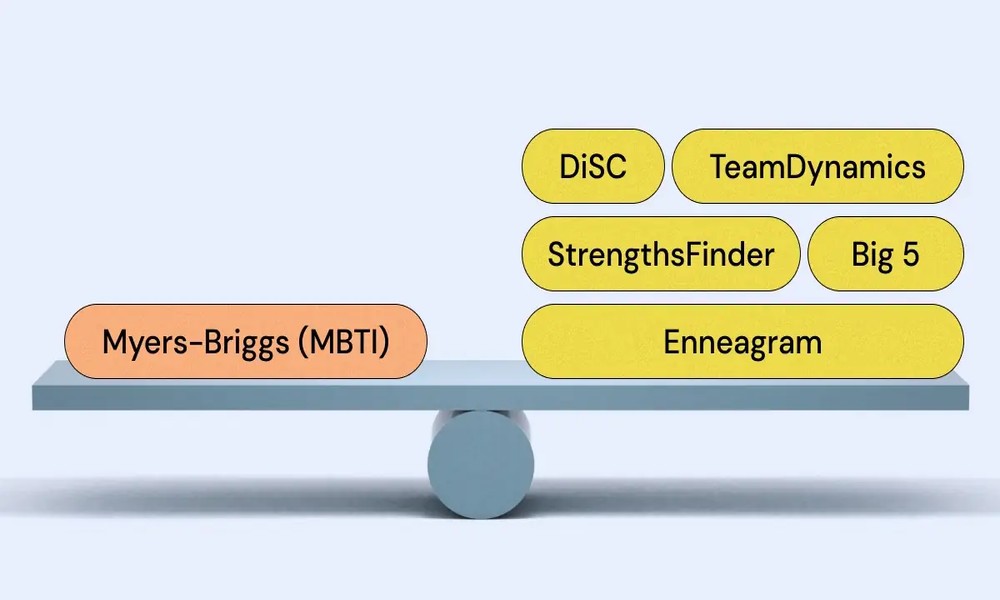
The MBTI is one of the most widely recognised personality instruments in the world. It has introduced millions of people to the idea of psychological type and given many of them a useful framework for understanding how they tend to think and relate to others. But there is a growing group of people who have used it, found it valuable up to a point, and are now looking for something that goes further. If you are searching for an MBTI alternative online, the number of options is large and the differences between them are not obvious. Knowing what to check before committing to one can save you from choosing something that offers little more than a different label.
What an MBTI alternative should offer
The first question worth asking is what the instrument is built on. The MBTI is grounded in Jungian psychological type theory, and any serious alternative should be able to say clearly what theoretical foundation it rests on and how that foundation shapes what the assessment measures. An instrument that simply rearranges the same four dimensions under a different name is not really an alternative. It is a repackaged version of the same thing.
Core Factors offers Type Discovery, an assessment that also identifies Jungian psychological type across the sixteen types, using a non-forced-choice format. The MBTI is a good, well-established instrument that has served practitioners and individuals for decades. Type Discovery sits in the same space, grounded in the same theoretical tradition, and is used by executive coaches, organisational development consultants, and learning and development professionals as a foundation for type-based development work.
Why cost and platform structure matter
For individuals and practitioners evaluating an MBTI alternative, the commercial structure of the instrument is worth examining carefully. The MBTI involves certification requirements and per-report costs that can add up significantly over time, particularly for practitioners working with multiple clients or organisations. Type Discovery through Core Factors offers a different cost structure, with substantial report content included for the participant and an ongoing participant experience through the platform after the assessment is complete. These are practical considerations that affect how accessible the instrument is and how much value a participant receives beyond the initial result.
What to look for beyond the assessment itself
A personality type assessment is most useful when it is part of a broader development process rather than a standalone event. Before choosing any MBTI alternative, it is worth asking what happens after the results are delivered. Is there a platform where participants can continue engaging with their results? Is there support for practitioners in delivering and applying those results? These are the questions that separate an instrument designed for development from one designed simply for discovery.
Choosing an MBTI alternative is a decision about more than the instrument. It is a decision about the platform, the process, and the level of ongoing support that best serves the work you are trying to do. Starting with those questions tends to lead to a better answer than starting with the label.
For More Information Visit : https://corefactors.com/career-signals/