
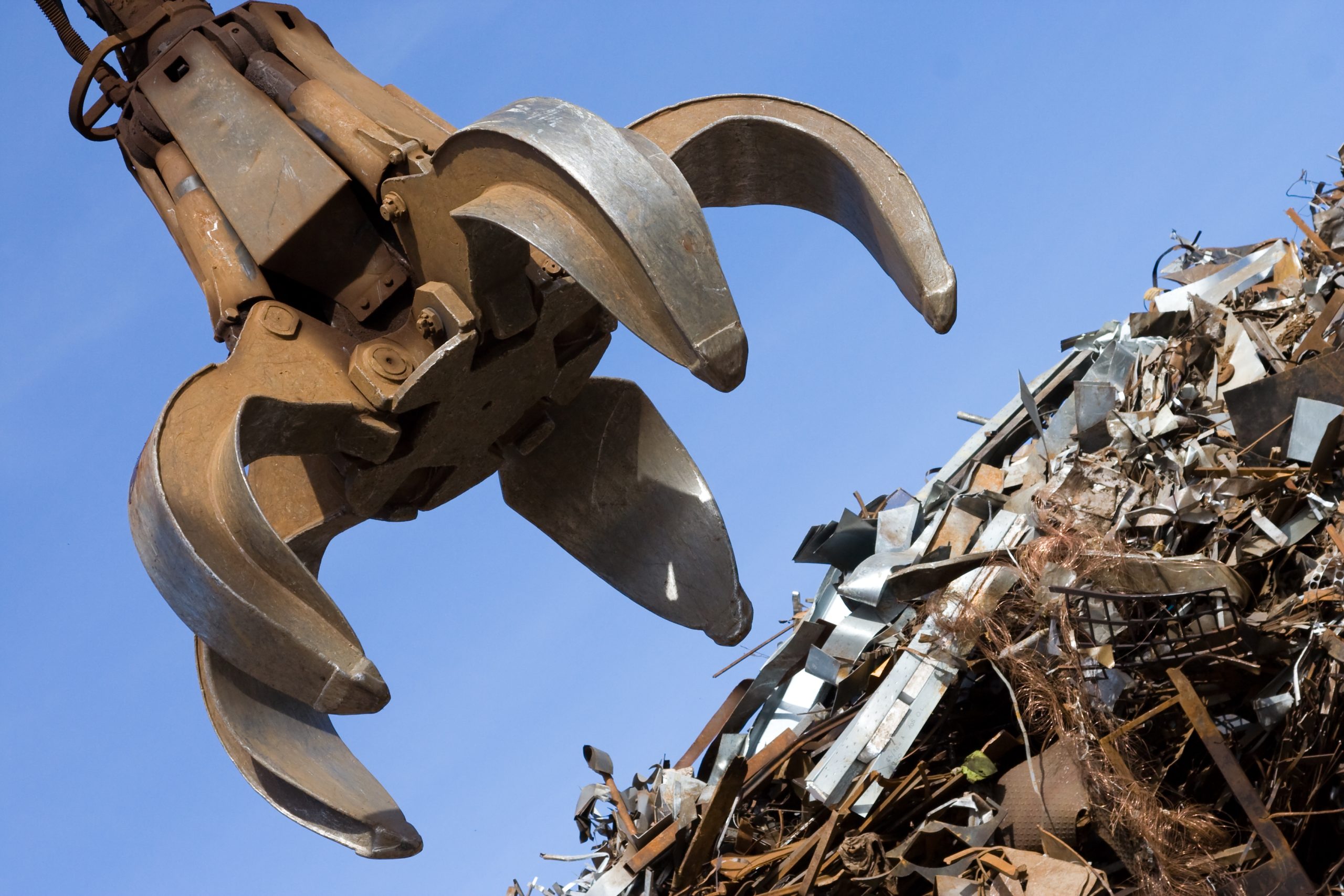
A Cosmic Perspective on Earthly Refuse
Advanced Recycling represents more than mere waste management; it is, in its most profound sense, an acknowledgement that matter itself is precious and finite. We inhabit a small planet, a mote of dust suspended in a sunbeam, where every atom of copper, every electron flowing through discarded circuit boards, has journeyed across billions of years to arrive here. When we discard metal and electronic waste, we are discarding stardust, elements forged in the hearts of dying stars. The artists and craftspeople who transform this scrap into functional beauty understand something fundamental: nothing in our universe is truly waste, only matter awaiting reimagination.
The Alchemy of Modern Times
The medieval alchemists sought to transform lead into gold, a dream that chemistry would prove impossible without nuclear transmutation. Yet today’s upcyclers achieve something equally remarkable. They take the detritus of our technological civilization, materials we have deemed worthless, and through vision and skill, restore their value. This is alchemy of a different order, revealing hidden potential within what already exists.
Consider the components of electronic waste: copper wiring, aluminium heat sinks, steel frames, precious metals plating circuit boards, and rare earth elements. Each represents significant energy investment in extraction, refinement, and manufacturing. When these materials enter waste streams, that embodied energy faces annihilation. Upcycling recovers not just material but the energy narrative embedded within it.
From Circuit Boards to Sculptures
The transformation begins with seeing differently. Where most observe only obsolete technology, the upcycling artist perceives colour, texture, form, and possibility. Old motherboards become canvases. Discarded heat sinks transform into architectural elements. Tangled copper wire becomes sculpture suggesting organic growth.
The process involves several creative approaches:
- Functional furnitureconstructed from industrial metal scrap and reclaimed machinery
- Lighting fixturesincorporating circuit boards, transformers, and vintage electronic components
- Sculptural artassembled from e-waste, commenting on technology’s transience
- Jewellerycrafted from computer components, miniature wearable technology
- Garden installationswhere rusted metal and weathered electronics achieve new purpose
Singapore’s Advanced Recycling community has demonstrated how these creations serve dual purposes: aesthetic beauty and environmental commentary, reminding viewers of consumption’s consequences whilst celebrating human creativity.
The Philosophy of Impermanence
There exists a Buddhist concept, wabi-sabi, finding beauty in imperfection and impermanence. Upcycled metal art embodies this philosophy profoundly. The rust patterns on reclaimed steel, the patina on aged copper, the oxidation on aluminium, these “flaws” become features. They tell stories of previous lives, of service rendered, of time’s passage.
This stands in stark contrast to our culture’s obsession with the new, the pristine, the perfect. Upcycling asks us to reconsider these values, to find worth in wear, meaning in marks. When an artist incorporates a dented tin panel into a sculpture, that dent carries history.
Technical Challenges and Creative Solutions
Working with metal scrap and e-waste presents unique challenges. Materials arrive in unpredictable forms, requiring adaptation rather than standardisation. Electronic waste contains hazardous substances demanding careful handling. Metals require specific tools, welding techniques, and safety precautions.
Yet constraints often inspire creativity. The limited palette forces innovation. Advanced Recycling principles apply here: understanding material composition, recognising potential applications, processing waste into resource.
Successful upcyclers develop deep material knowledge:
- Which metals can be safely combined through welding or adhesive
- How to extract valuable components from complex assemblies
- Methods for cleaning and preparing corroded materials
- Structural engineering principles for load-bearing furniture
- Electrical safety considerations when incorporating live components
The Economic and Environmental Equation
Upcycling creates value through transformation. A tonne of mixed metal scrap might fetch modest prices from conventional recyclers. That same material, reimagined as furniture or art, can command significantly higher returns. This economic alchemy benefits creators whilst reducing waste.
The environmental arithmetic proves equally compelling. Manufacturing new metal requires mining ore, an energy-intensive process with substantial environmental impact. Recycling improves on this but still demands energy for melting and refining. Upcycling, by contrast, often requires minimal energy input.
Singapore’s Advanced Recycling initiatives recognise upcycling’s role in the circular economy, not as replacement for industrial recycling but as complement, capturing value from materials that might otherwise face disposal.
A Bridge Between Art and Engineering
The most successful upcycled creations blur boundaries between artistic expression and functional design. A lamp constructed from computer heat sinks provides illumination whilst serving as conversation piece. A desk fabricated from industrial shelving offers workspace whilst celebrating manufacturing aesthetics. These objects inhabit a liminal space, simultaneously practical and provocative.
This dual nature makes upcycled goods particularly suitable for our current moment. We seek meaning in our possessions, stories behind our stuff. Mass-produced items offer efficiency but rarely narrative. Upcycled creations carry histories and embody values.
Looking Towards Tomorrow
As we venture further into this century, facing resource constraints and environmental challenges, the principles underlying creative upcycling become increasingly relevant. We must learn to see waste as temporary designation rather than final destination. We must cultivate the imagination to envision new purposes for old materials.
The transformation of metal scrap and e-waste into functional art represents more than clever craft. It embodies a philosophical stance towards material culture, towards consumption, towards our relationship with the physical world. It suggests that in a universe of finite matter, creativity becomes the renewable resource, the wellspring from which value perpetually flows. This is the promise of turning discarded metal into meaningful objects, a small but significant application of principles that might help us build a more sustainable civilization through Advanced Recycling.