
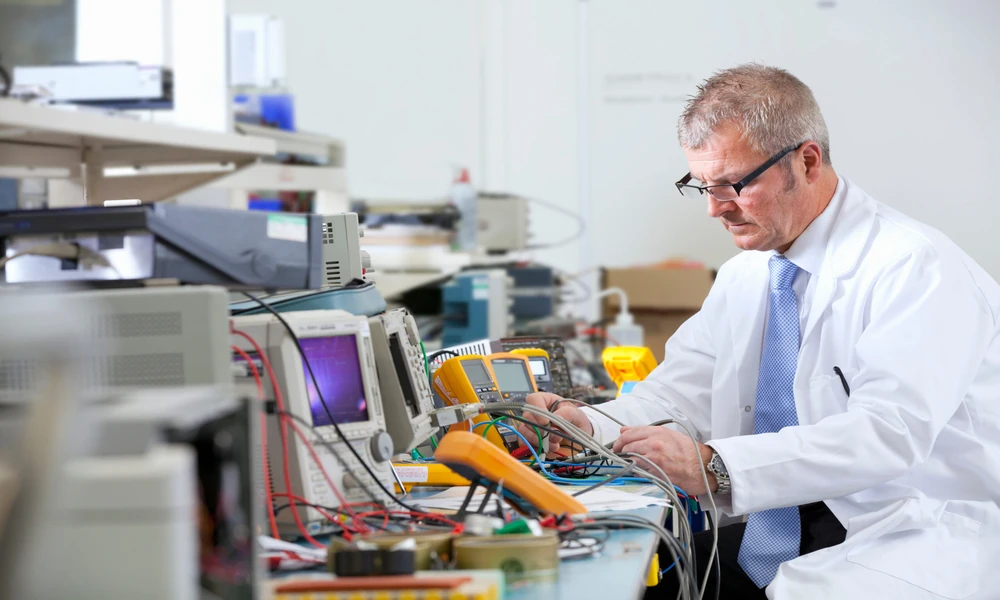
A single failed certification test can stall a product launch, costing time, money, and hard-earned momentum. In the world of wireless devices, where regulatory requirements shift across regions, accredited labs are the silent gatekeepers that determine whether your innovation reaches shelves worldwide.
The Critical Role of Accredited Labs in Global Wireless Certification
Every device that transmits or receives radio signals must jump through regulatory hoops, and those hoops are set by high-stakes organizations. Accredited labs serve as the bridge between manufacturers and these bodies, providing precise, unbiased testing that proves a product’s compliance, or highlights where it falls short.
What Makes a Lab “Accredited”?
Accreditation isn’t just a badge; it’s a rigorous endorsement of technical competence and process integrity. Labs typically earn ISO/IEC 17025 accreditation, which indicates their testing procedures, equipment calibration, and reporting standards are independently audited and globally recognized. For manufacturers, this means confidence that certification results will be accepted by international authorities.
Overview of Key Wireless Certification Bodies (FCC, ISED, CE, RED)
The U.S. relies on the Federal Communications Commission (FCC) for wireless approvals, Canada depends on Innovation, Science and Economic Development (ISED), and Europe enforces the CE Mark and Radio Equipment Directive (RED). Each framework has its own test parameters, documentation requirements, and market access rules, but all demand proof from a trusted, accredited lab.
Case Study: Navigating Canadian EMC and RF Testing with Stancer Labs
Successfully entering North American markets isn’t a matter of luck. It’s a blend of technical rigor and regulatory navigation, two domains where accredited labs excel.
Background: The Challenge of Entering North American Markets
Manufacturers eyeing Canada or the U.S. face a maze of EMC (Electromagnetic Compatibility) and RF (Radio Frequency) regulations. Products need to pass radiated emissions, conducted emissions, and immunity tests, each with strict thresholds that, if missed, lead to costly retesting.
Step-by-Step Testing and Certification Process at Stancer
At a lab such as Stancer Testing-Lab, the journey begins with a review of the product’s technical documentation, followed by tailored test planning. Skilled engineers conduct pre-compliance checks to spot early issues. Formal EMC and RF tests come next, producing accredited reports that enable rapid regulatory submissions. Companies receive detailed feedback at every step, ensuring problems are addressed before they snowball.
How Accreditation Accelerates Market Access
Accredited labs issue reports trusted by regulators, which means manufacturers can skip unnecessary repeat testing. Their validation shortens time to market and reduces risk, a decisive edge for businesses operating on tight timelines.
Ensuring Product Compliance Across Regions
Global expansion means managing competing standards. For wireless devices, the distinction between North American and European requirements is particularly sharp.
Comparing Regulatory Requirements: North America vs. Europe
| Region | Main Authority | Key Standard(s) | Certification Requirement |
|—————-|—————–|——————————–|—————————-|
| USA | FCC | FCC Part 15, Part 18 | Yes, with accredited lab |
| Canada | ISED | RSS Series | Yes, with accredited lab |
| Europe | CE/RED | EN 301 489, EN 300 328, RED | Yes, with Notified Body |
While some tests overlap, documentation and approval routes can diverge, making expert guidance from an accredited lab invaluable.
The Importance of ISO/IEC 17025 Accreditation for Trust and Validity
Only labs with ISO/IEC 17025 can guarantee internationally recognized results. This status prevents costly disputes over test validity and gets products accepted in more markets without redundant testing.
Real-World Impacts of Non-Compliance: Costs and Delays
Failing to meet EMC or RF standards leads to rejected certifications, shipment holds, and brand reputation hits. The cost of retesting, sometimes tens of thousands of dollars, far outweighs the up-front investment in a proven lab.
Pre-Compliance Testing: Saving Time and Money Early On
Early detection of compliance problems is the secret weapon of successful product launches.
Identifying Common Compliance Pitfalls Before Formal Testing
Unintentional radiated emissions, poor shielding, or non-conforming firmware are frequent culprits. Catching these issues early avoids last-minute scrambles.
Case Example: Early Issue Detection at Stancer Labs
Several clients at Stancer have avoided major certification delays by uncovering hidden emission spikes during pre-compliance. Fast remediation kept their launch timelines on track.
Strategies for Effective Pre-Compliance Planning
– Build pre-compliance checkpoints into your development cycle.
– Maintain detailed technical documentation from the start.
– Engage with lab engineers early, not just at the final test phase.
Advanced RF and EMC Testing: Beyond Basic Certification
The science doesn’t stop with a pass/fail report.
Radiated and Conducted Emissions Testing Explained
These core tests measure unwanted signal leakage and power line interference. Sophisticated chambers and antennas reveal whether the device’s emissions stay within legal bounds.
Immunity and ESD Testing: Protecting Product Reliability
Products must also withstand electromagnetic noise. Immunity and Electrostatic Discharge (ESD) tests subject devices to real-world electrical stress, ensuring they won’t fail in unpredictable environments.
Over-the-Air (OTA) Performance and RF Exposure Assessments
Modern labs test not just emissions, but also wireless performance and user safety, using OTA testing and RF exposure assessments for compliance and market advantage.
Compliance Consulting: Bridging the Gap Between Testing and Market Entry
Testing is only half the journey; regulatory submission requires strategy.
Designing a Certification Strategy Tailored to Your Product
Specialists help map out the most efficient test plan, focusing only on standards relevant to the product and target markets.
Technical Documentation and Regulatory Submission Support
Comprehensive support with detailed reports and forms ensures that nothing is lost in translation during the regulatory review.
How Expert Consulting Minimizes Certification Risks
Guided submissions, timely responses to regulators, and proactive troubleshooting keep approval timelines tight and surprises minimal.
Industries Benefiting Most from Accredited Wireless Testing
Virtually every sector with wireless ambitions is touched by these requirements.
Telecommunications and IoT Devices
Fast-moving networks and connected products face the highest bar for certification, with interoperability and coexistence challenges at the forefront.
Automotive and Robotics: Unique Compliance Challenges
Automotive electronics and industrial robots must meet not just wireless, but also rigorous safety and reliability standards.
Consumer Electronics and Lighting Solutions
Everyday devices, from smart bulbs to audio gear, rely on accredited testing for FCC, ISED, and CE markings before reaching consumers.
Lessons Learned and Best Practices from Industry Leaders
The best insights come from those who have navigated the process firsthand. Clients of Stancer Labs praise their responsiveness, technical depth, and ability to accelerate even complex certifications.
Manufacturers targeting global markets succeed when they:
– Engage with accredited labs early and often.
– Plan for regional divergences in requirements.
– Embrace pre-compliance measures to catch costly errors before they escalate.
Looking ahead, as wireless technology continues to evolve, accredited labs will move beyond gatekeeping, they’ll become collaborative partners in innovation, ensuring new devices launch faster, safer, and with confidence.