
Key Takeaways
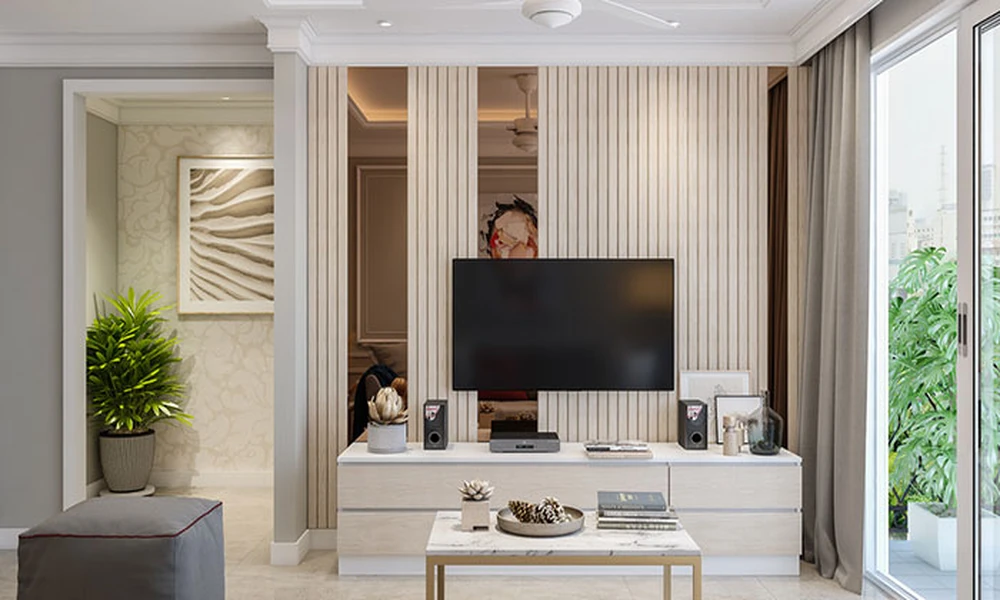
Textured wall panels provide an enhanced visual and tactile experience in interior environments, turning ordinary walls into captivating focal points that exude warmth and sophistication.
By reducing sound reverberation, these panels improve a room’s acoustics and can influence lighting effects, enabling designers to craft various moods that enhance overall comfort.
While natural materials like wood and stone possess a unique beauty, they typically demand more maintenance when compared to synthetic options such as MDF and vinyl, which are known for their durability and lower upkeep needs.
The styles of wall panels available range widely, accommodating everything from rustic to contemporary aesthetics. Choices such as 3D textured and fabric-wrapped panels serve distinct functional needs.
When planning to install textured wall panels, it’s essential for clients to consider whether to tackle the project themselves or hire professionals, as proper installation is key to achieving a polished finish.
Maintenance of textured wall panel s varies with material; while synthetic panels can typically be wiped clean, natural options might require specialized cleaning products to preserve their aesthetic.
To ensure the longevity of textured wall panels, it’s wise to avoid excessive moisture and temperature fluctuations, and regular inspections can help catch minor wear before it becomes a problem.
Why Choose Textured Wall Panels for Your Interior Design?
The Aesthetic Appeal of Textured Surfaces
Textured wall panels do much more than merely provide a surface; they invite interaction within a space. These panels boast distinct tactile and visual qualities, allowing a plain wall to morph into a genuine work of art. In settings ranging from opulent hotels to cozy homes, these surfaces weave a narrative that adds depth, warmth, and sophistication, transforming any mundane area into something extraordinary.
Imagine this: a simple white wall could spark a conversation with just the right textured panel. Why choose boring when low-maintenance alternatives can tell a story? Incorporating these panels into a room can radically shift people’s perceptions of the entire area.
Enhancing Room Dynamics with Wall Panels
Textured wall panels extend beyond just enhancing aesthetics; they significantly influence the acoustics and lighting of a room, too. Designers often use panels to dampen sound reverberation, a benefit that proves invaluable in bustling environments where noise can easily overwhelm. Sound absorption not only boosts comfort but also cultivates a more intimate atmosphere.
Moreover, lighting interacts with different textures in unique ways. Consider how light dances across the surfaces of a panel, bringing unexpected highlights to spaces. By strategically using light to showcase texture, moods can be dramatically altered. It’s about leveraging materials to evoke feelings of comfort, excitement, or tranquility. And textured wall panels can certainly accomplish that.
Types of Textured Wall Panels: Finding Your Perfect Match
Natural Materials vs. Synthetic Options
Choosing the right textured wall panel hinges on materials, which play a pivotal role. Natural elements such as wood, stone, or bamboo bring organic beauty and individual character to spaces. Each piece carries its own history, telling a tale of growth and time. However, maintenance can be a bit challenging.
In contrast, synthetic options crafted from materials like MDF, plastic, or vinyl often offer more versatility. They can mimic the look of natural materials at a fraction of the cost. Moreover, they typically boast higher durability and require less upkeep than their natural counterparts. Clients should think about whether they prioritize sustainability or opt for a contemporary, sleek design when making this choice.
Exploring Different Styles: From Rustic to Contemporary
The myriad of textures and styles available in wall panels can cater to any design vision. Rustic styles conjure the charm of nature, with reclaimed wood panels providing an authenticity that many homeowners cherish. These materials root the design in tradition while enhancing a space’s warmth.
On the flip side, contemporary designs favor minimalism. Sleek and smooth panels that hug the wall can create an elegant, refined look, especially appreciated in modern urban residences. Designers frequently recommend layering textures to enrich a theme.
- Rustic Wood Panels: Perfect for cabins or country homes, these bring a touch of nature indoors.
- 3D Textured Panels: Ideal for modern spaces, they introduce depth and intrigue.
- Fabric-Wrapped Panels: Commonly found in home theaters, they absorb sound while maintaining a stylish appeal.
Installation Insights: Making Your Textured Vision a Reality
DIY vs. Professional Installation: What to Consider
Deciding between a DIY approach and hiring professionals can be quite the conundrum. Experienced homeowners often recognize that skill matters significantly in the installation of textured wall panels. While saving money might be appealing, going the DIY route comes with its own risks; improper alignment can yield a disappointing finish.
Professional installation, however, ensures precision and often carries a warranty for added peace of mind. Conversely, those inclined toward DIY should take the time to familiarize themselves with the required techniques. It’s really about balancing cost savings with time and desired quality.
Essential Tools and Materials for a Flawless Finish
For those intent on achieving DIY success, having the appropriate tools is essential. Panel installation methods can vary-some require adhesive, while others may need nails or clips. Here’s a concise checklist of necessary tools:
- Utility Knife: A must for making precise cuts in panels.
- Level: Vital for ensuring panels are perfectly straight.
- Measuring Tape: Accuracy is key here.
- Adhesive or Nails: Selection will depend on the type of panel.
- Caulk Gun: Essential for achieving smooth finishes at edges.
Equipped with the right tools and knowledge, installers set themselves up for successful outcomes. It’s about investing time and effort to reap aesthetic rewards.
Maintenance and Care for Long-lasting Style
Cleaning Techniques Tailored to Different Materials
Keeping textured wall panels looking beautiful doesn’t have to be overly complex. Cleaning methods will vary depending on the material used. For example, synthetic panels can usually be wiped clean with a damp cloth, while natural wood may call for specialized cleaning products.
Here are some cleaning tips according to material type:
- Wood Panels: A soft, dry cloth is ideal. For deeper cleaning, utilizing a wood-safe cleaner can be very effective.
- PVC Panels: These can withstand scrubbing with a damp sponge and can handle harsher cleaners well.
- Fabric Panels: Gentle vacuuming or spot cleaning can refresh fabric textures without causing damage.
Attention to the specific needs of the chosen material is paramount. Regular maintenance will keep walls looking fresh and inviting.
Protecting Your Investment: Tips for Longevity
Investing in textured wall panels should be viewed as a long-term endeavor. To safeguard that investment, keeping natural materials away from excess moisture is key; otherwise, warping may occur. Fluctuations in temperature can also impact materials like wood, making it essential to maintain a stable environment.
Regular inspections will help catch early signs of wear. Repairing small issues promptly can sometimes just require a simple touch-up or resealing, which is far easier than addressing significant problems later. The care taken in maintaining panels will definitely enhance aesthetics, durability, and ultimately, value.
“Textured wall panels don’t just beautify a space; they tell your story.”
Whether it’s investing in textured wall panels or contemplating installation methods, understanding the nuances can lead to better-informed decisions that enrich living or working environments.
FAQ
What are the different types of finishes available for textured wall panels?
Textured wall panels feature a variety of finishes that enhance both aesthetics and durability. Options include matte, glossy, and satin finishes, each interacting with light in unique ways to create distinct visual effects suited for specific design themes.
Can textured wall panels be painted or stained?
Absolutely, many textured wall panels are suitable for painting or staining to align with a desired color scheme. This adaptability allows homeowners to update panels as their design tastes change over time. However, it’s crucial to select appropriate products to avoid damaging the material.
Are textured wall panels suitable for humid environments like bathrooms or kitchens?
While certain textured wall panels can be appropriate for humid settings, caution is advised when selecting materials. Synthetic options like PVC generally perform well under moisture, whereas natural materials may require protective sealing to prevent warping and deterioration.
How does the installation process differ between natural and synthetic panels?
Installation processes can vary greatly depending on the material chosen. Natural panels may require careful alignment and specific adhesives, whereas synthetic options often offer simpler and more flexible installation methods. Familiarity with precise guidelines is critical to achieving the best outcomes.
What are the soundproofing capabilities of different textured wall panels?
Soundproofing effectiveness largely depends on the panel’s material and thickness. Fabric-wrapped panels excel at sound absorption, making them an excellent choice for home theaters. In contrast, wood or concrete panels may reflect sound, creating different acoustic dynamics in a space.
Can textured wall panels be removed and reinstalled easily?
Most textured wall panels can indeed be removed and reinstalled, but this largely depends on their original attachment method. Adhesively installed panels might damage the wall surface upon removal. It’s wise to evaluate the conditions for reinstallation thoroughly to ensure the integrity of the space is maintained.
What are the long-term benefits of investing in textured wall panels?
Investing in textured wall panels can significantly enhance property value, contributing to both the aesthetic appeal and functionality of a space. Over time, the right panels might improve acoustic quality and lower maintenance costs while offering distinctive design elements.
Can textured wall panels be installed over existing wall treatments?
Typically, textured wall panels can be installed over existing wall treatments, such as paint or wallpaper. However, ensuring the underlying surfaces are clean, smooth, and adequately prepared is essential to avoid adhesion issues during installation.
Useful Resources
- Architectural Digest – A respected source for high-end design inspiration and information on materials.
- Houzz – An online community and marketplace for home improvement, featuring countless design ideas and expert advice.
- The Balance Small Business – Provides insights on DIY home improvement techniques and business tips for renovation projects.
- National Geographic – A valuable resource for understanding natural materials and sustainable practices in home design.
- Dwell – A platform devoted to modern design, including materials and installations used in contemporary homes.
- Domino – A magazine illustrating innovative design ideas, useful for both interior designers and homeowners.
- Interior Define – Offers bespoke furniture design and information on various interior design aspects.
- Data Dome – Provides insights and statistics on home renovation trends and materials within the industry.