
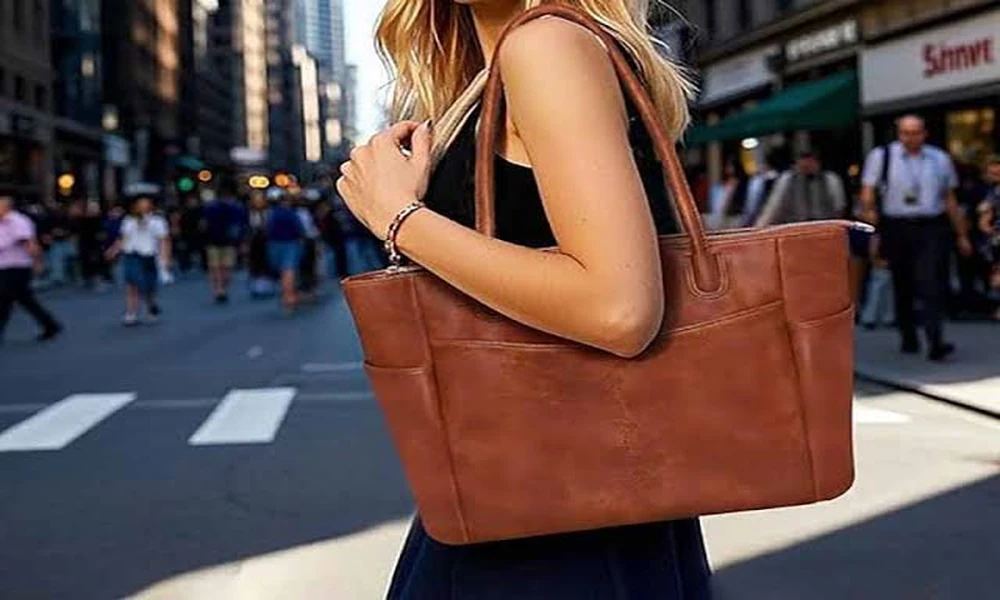
Daily clutter often starts with poor compartment planning. A crowded bag slows access, mixes essentials, and creates unnecessary searching. Well-designed totes solve this issue through generous interior space and practical organization. For shoppers comparing tote bags for men (托特包 男), interior layout can matter more than exterior styling.
Roomy compartments accommodate work items, personal necessities, and daily accessories without forcing awkward stacking. Thoughtful storage also makes switching between destinations easier. The right interior turns routine carrying into a simpler, more controlled experience.
Spacious interiors create usable order
A generous main compartment provides immediate breathing room. Larger openings also improve visibility during quick searches. Instead of stacking possessions tightly, users can arrange items vertically. This approach keeps frequently handled belongings accessible throughout busy days.
Useful tote interiors can accommodate:
- A laptop with its protective sleeve
- Documents without excessive folding or bending
- Water bottles beside smaller personal items
- Chargers, notebooks, and daily accessories together
Room alone, however, does not guarantee organization. Interior proportions determine how efficiently available capacity gets used.
Could compartments reduce everyday searching?
Smart compartment placement gives each essential item a logical location. A zippered pocket can secure keys, cards, or earbuds. Open sections provide faster access for notebooks and sunglasses. With women’s tote bags (女用托特包), balanced interior design can support workdays, errands, and short commutes without unnecessary rummaging.
A divided interior also prevents smaller belongings from disappearing beneath larger objects. That separation saves time when priorities change throughout the day.
Why does material shape storage efficiency?
Fabric structure influences how a tote maintains usable space. Sturdy materials help the opening remain accessible during packing. Softer construction can offer flexibility when carrying bulkier belongings. Interior lining also affects movement, durability, and visibility.
Several material traits can influence daily performance:
- Firm walls preserve compartment shape
- Smooth linings reduce snagging
- Reinforced bases support heavier loads
- Durable stitching handles repeated handling
- Lightweight fabrics reduce overall carrying strain
Material selection therefore affects organization beyond appearance. A well-built interior remains functional across changing loads.
Wide openings make packing more efficient
A broad top opening changes the packing experience. Items become easier to place, remove, and inspect. This advantage matters during commutes, travel days, and quick errands. Narrow openings can force awkward angles, especially with laptops or folders.
Placement also becomes more intuitive when visibility improves. Heavier objects can rest near the base. Frequently needed pieces can remain closer to the opening. Such positioning reduces unnecessary movement and protects delicate belongings.
Can one tote support changing routines?
Daily requirements rarely remain identical from morning onward. A workday may begin with a laptop and notebook, then require space for groceries later. Spacious interiors provide flexibility without demanding a second carrying solution.
A practical tote can transition between:
- Office commutes and client meetings
- Weekend errands and casual outings
- Short trips requiring extra essentials
- Gym visits following a workday
That versatility comes from capacity rather than decoration. Flexible storage supports changing schedules without constant repacking.
Roomy totes can change carrying habits
A spacious interior does more than hold additional belongings. It encourages deliberate placement, clearer visibility, and easier retrieval. Consider a tote carrying a laptop, bottle, charger, and notebook. Each item can occupy a predictable zone rather than competing for one cramped pocket.
That small organizational change can influence the entire day. Less searching leaves attention available for work, travel, and personal tasks. The tote becomes part of a smoother routine, with the morning notebook still easy to reach.
FAQs
What makes a tote interior organized?
Useful organization combines adequate capacity with sensible compartments. Accessible pockets and clear visibility prevent unnecessary searching.
Are spacious totes suitable for work?
Yes, roomy interiors can accommodate laptops and documents. Structured bases also provide better support for heavier loads.
Do wide tote openings improve convenience?
Wide openings make packing and retrieval more accessible. Larger objects also require less awkward maneuvering during use.
Can one tote handle different activities?
A flexible interior can support work, errands, and travel. Adjustable packing also reduces the need for frequent bag changes.